How ADUs Are Transforming California Housing—And What Homeowners Need to Know
After a long-fought battle against restrictive single-family zoning rules, Alternate Dwelling Units, better known as ADUs, are finally making their mark in California. For decades, homeowners who wanted to add a rental unit or create more space on their property faced complicated, often prohibitive regulations. That landscape changed dramatically with the passage of California Senate Bill 1069 and Assembly Bill 2299. These laws streamlined the permitting process, cut red tape, and opened the door for thousands of new ADUs across the state.
The impact has been immediate and profound. According to the UCLA Center for Neighborhood Knowledge, ADU permits surged more than 15,000% after the legislation, jumping from virtually zero to over 83,000 approved units within just a few years. This explosive growth reflects not only regulatory reform but also the urgency of California’s housing crisis. After 40 years of underbuilding, state officials and private companies are now racing to incentivize new housing options that meet the needs of residents facing some of the highest living costs in the nation.
At Elcano Construction, we’ve embraced this shift with enthusiasm. In recent years, our team has completed eight ADUs throughout Los Angeles, and each one has offered insights into how these units can meaningfully expand housing supply while enhancing the properties they belong to. ADUs are more than just additional rooms, they’re strategic investments, modern architectural additions, and essential components of California’s affordable housing solution.
A New Architectural Chapter for Los Angeles Neighborhoods
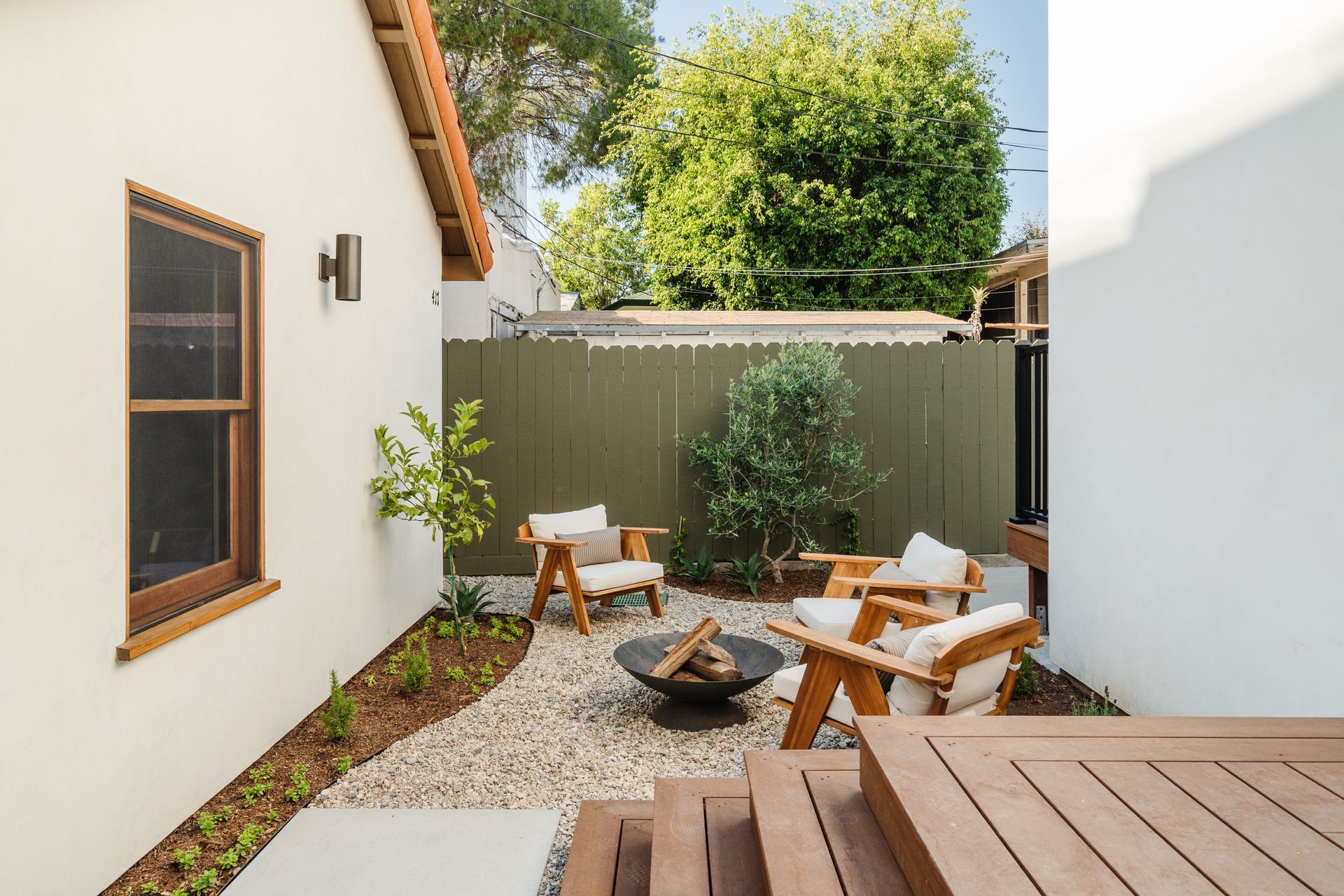
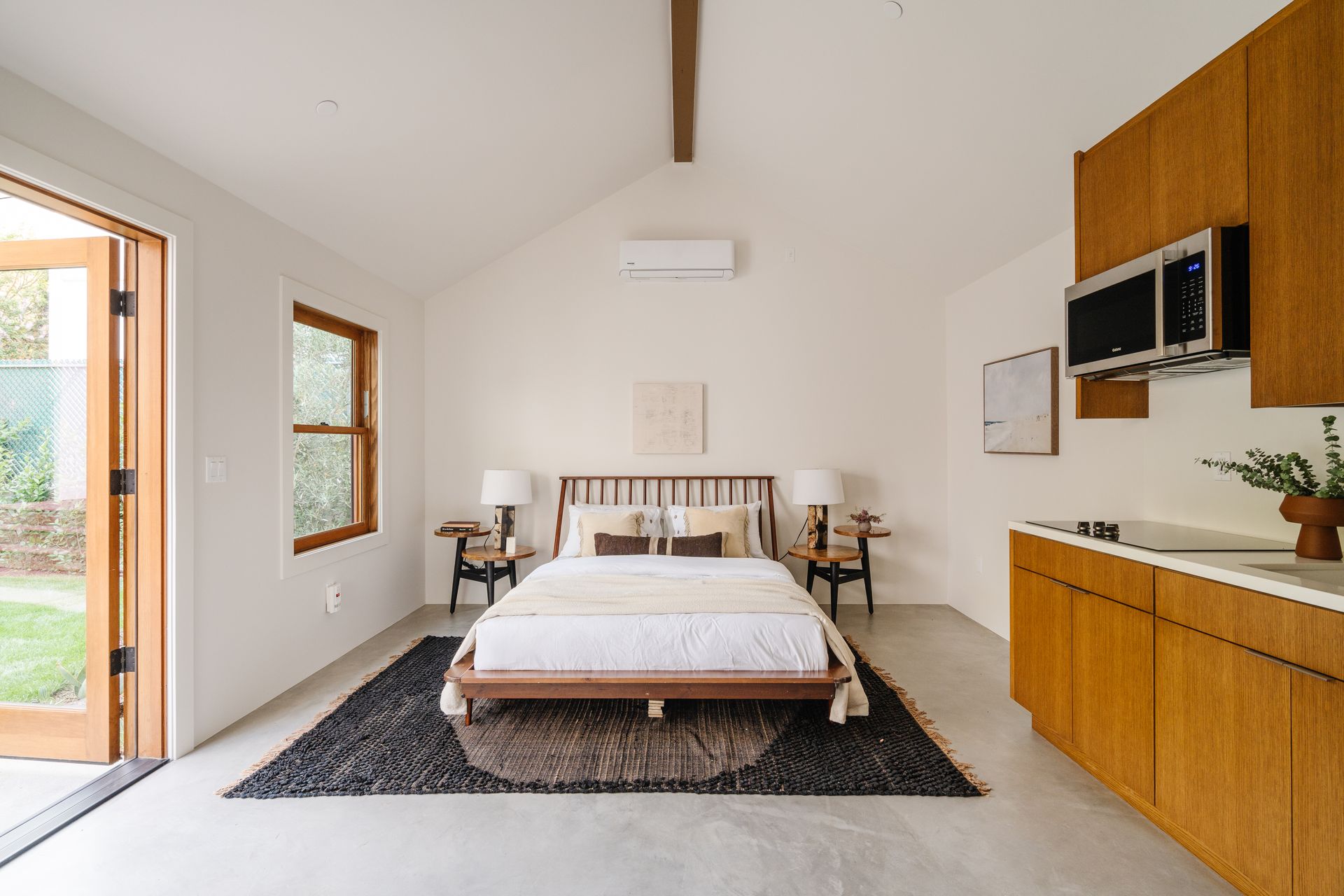
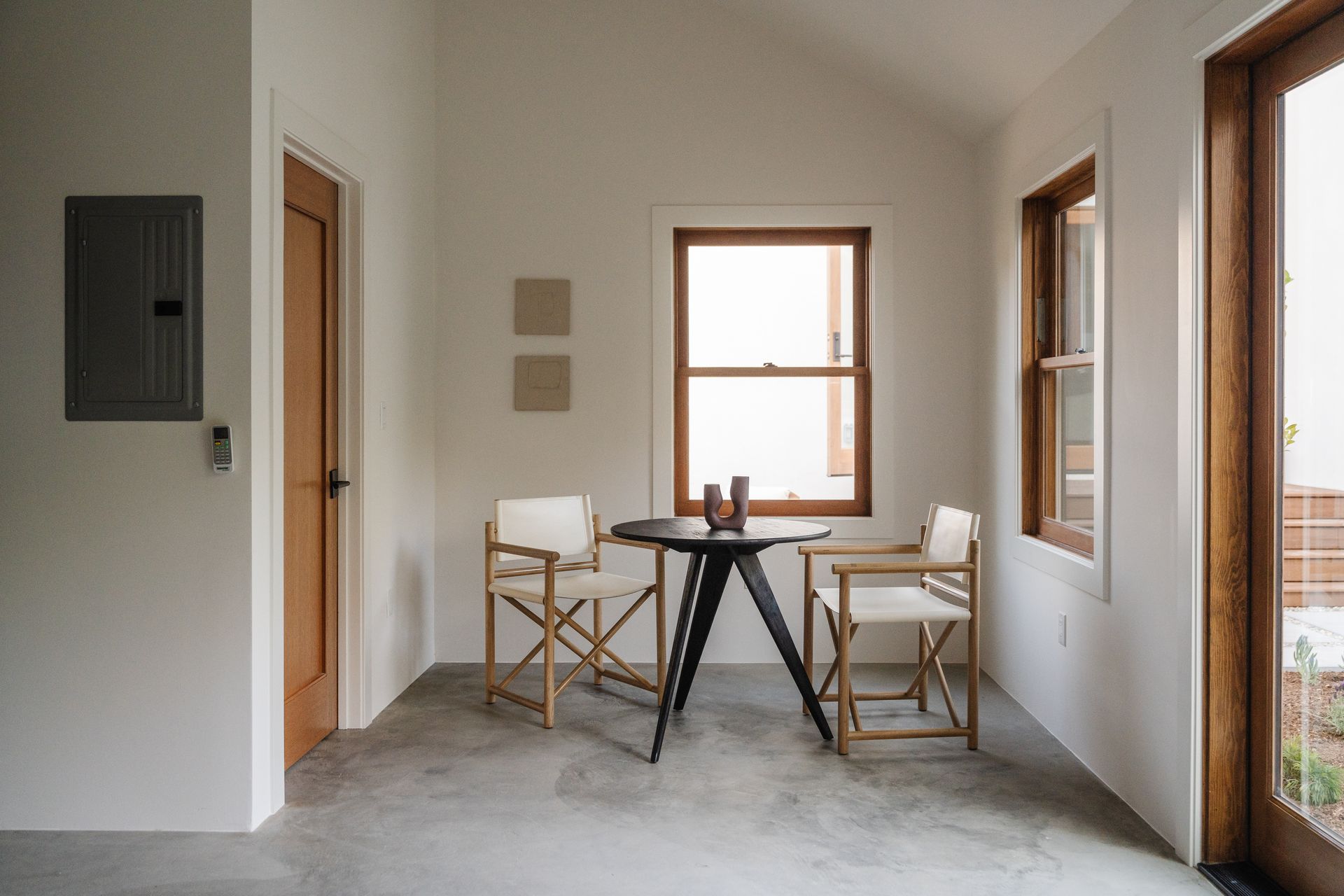
Architecturally, ADUs present a unique opportunity to blend modern design with existing neighborhood character. Because they typically range from 300 to 1,200 square feet, ADUs encourage creative, efficient use of space. Many replace a garage, keeping the footprint compatible with the existing lot while introducing modern materials, energy-efficient systems, and contemporary design principles.
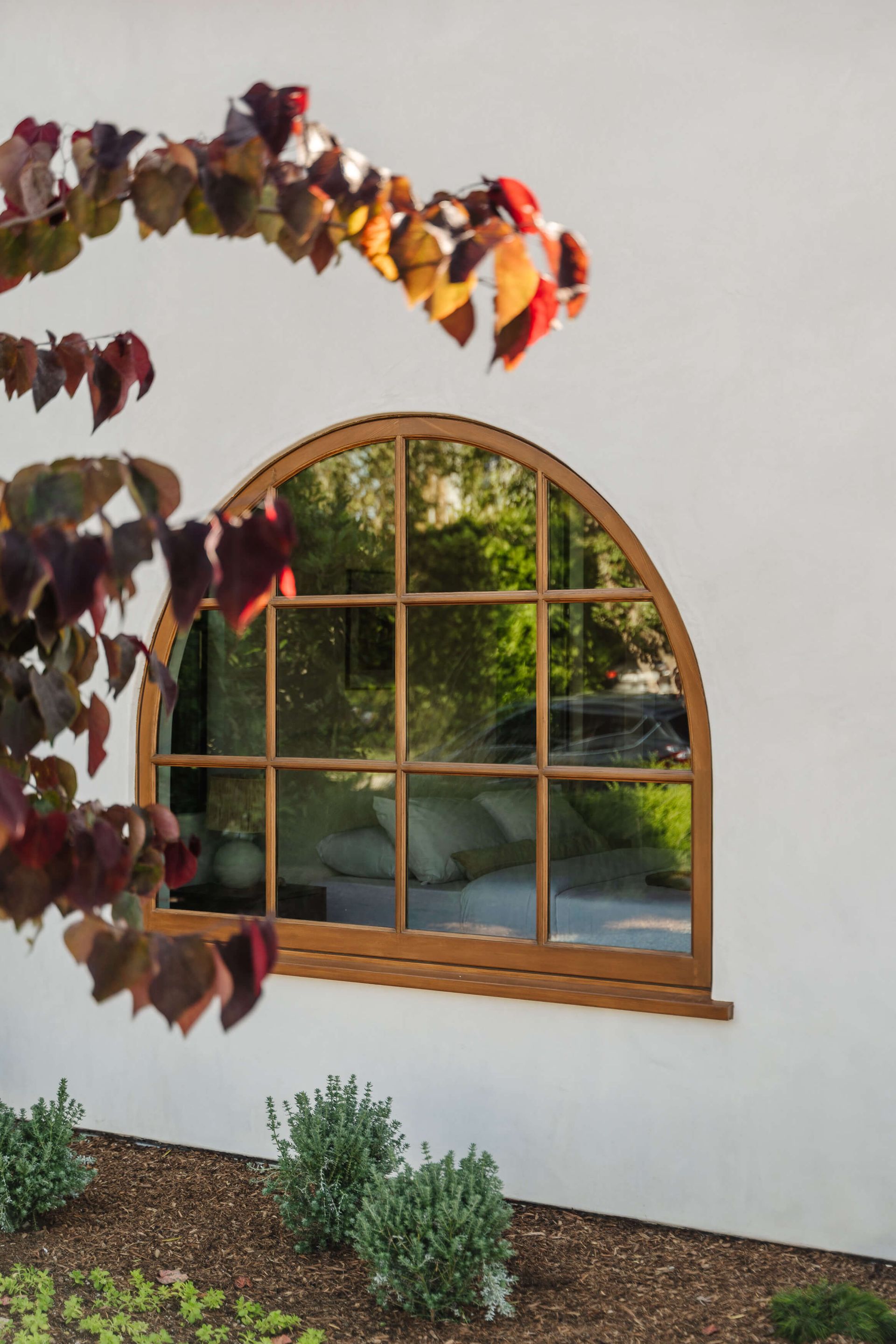
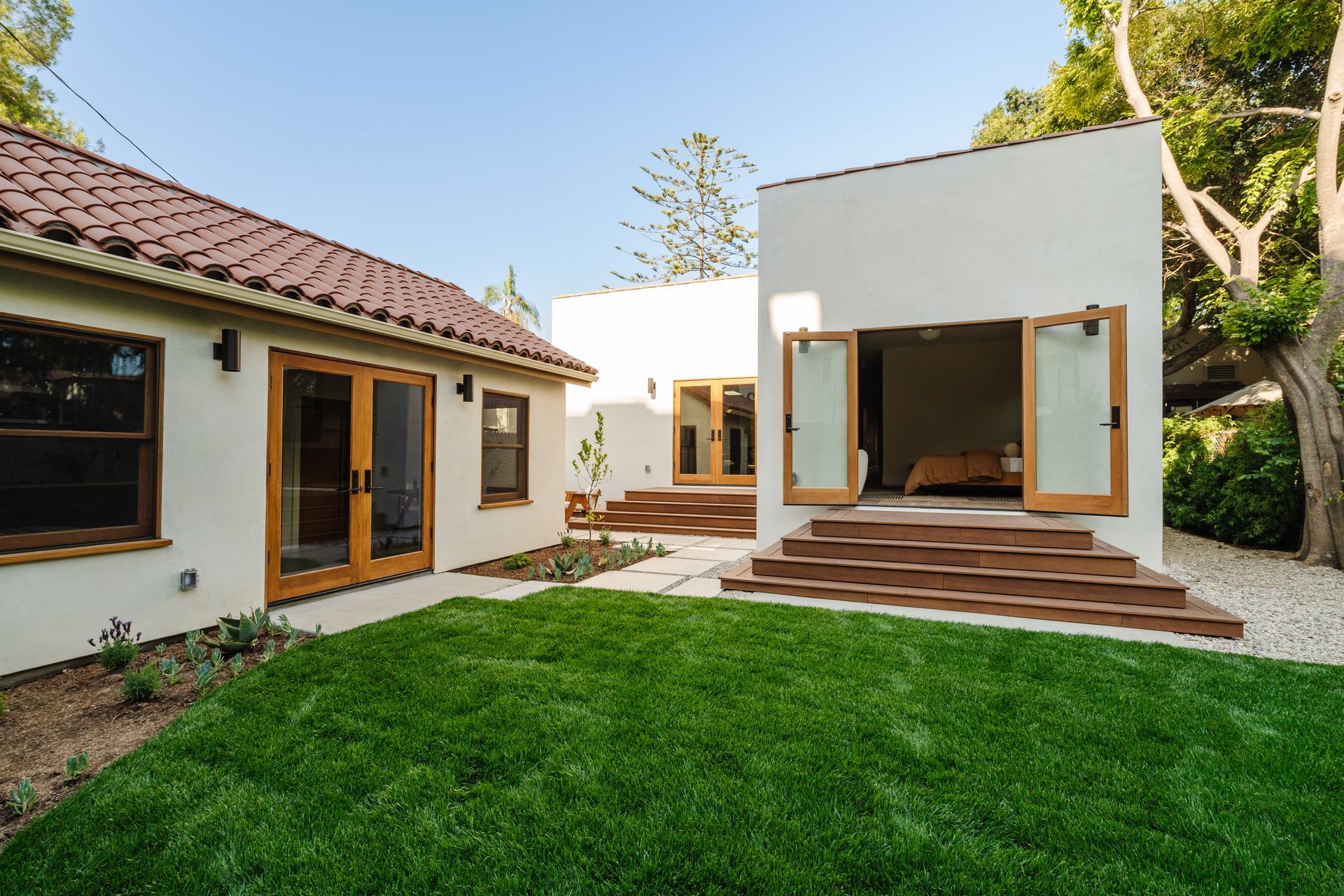
These compact structures align well with trends toward minimalist and intentional living-think Marie Kondo- but for home design. They also allow homeowners to express personal style. In a city like Los Angeles, where architectural diversity is part of the cultural DNA, it’s not unusual to find a Mission Revival main home paired with a sleek, modern ADU in the backyard. This new wave of ADU development continues the city’s tradition of eclectic and vibrant residential design.
Understanding ADU Costs: Why Smaller Doesn’t Always Mean Cheaper
One of the most common questions we hear from homeowners is, “How much will it cost to build an ADU?” While every project varies, there’s a general principle worth understanding: ADUs often cost more per square foot than larger single-family homes.
Why? Economies of scale. A smaller home still needs essentials like:
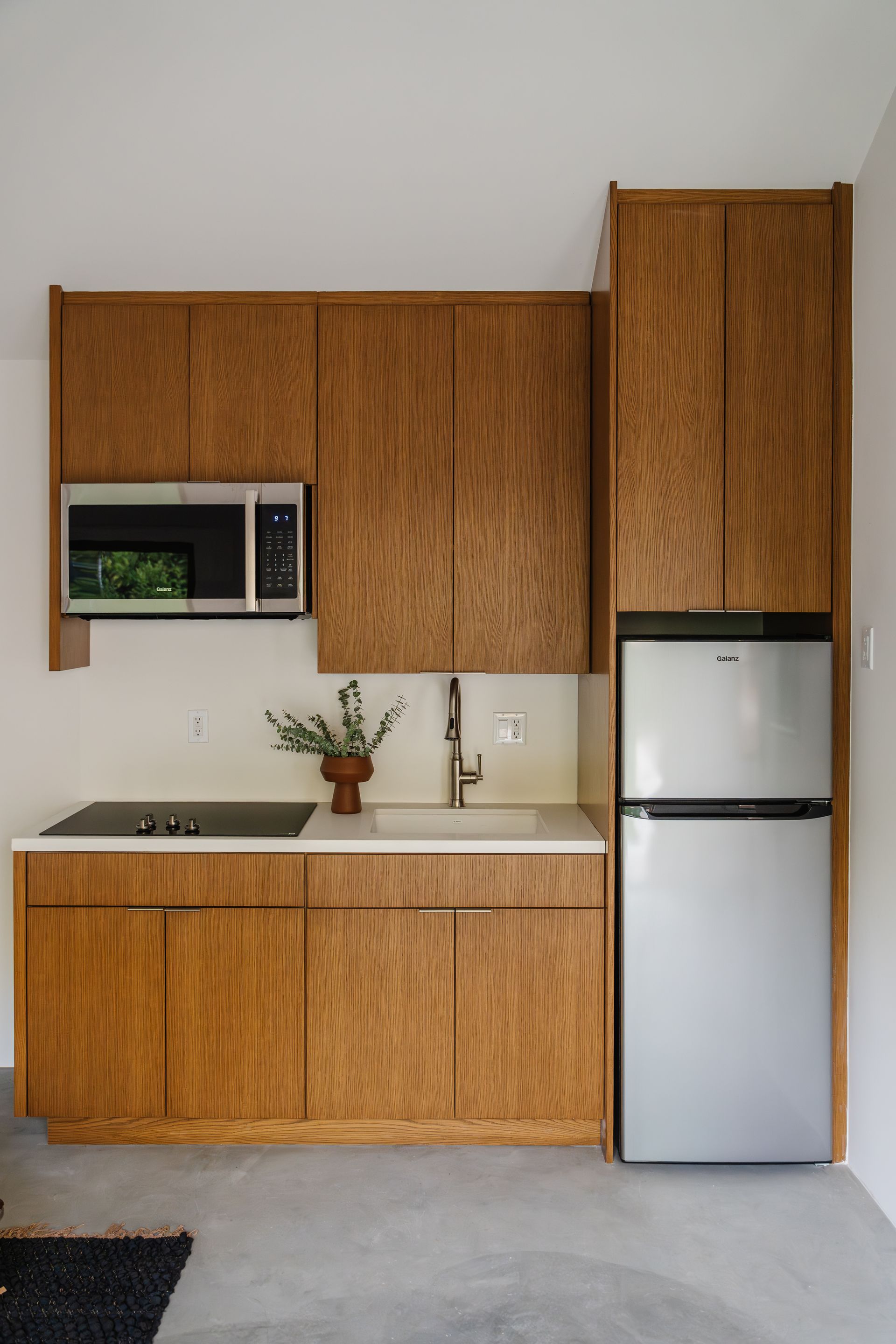
- A kitchen
- A bathroom
- An HVAC system
- Electrical and plumbing lines
- Foundation and framing.
Because these components don’t shrink proportionally with square footage, the cost per square foot goes up. In Los Angeles, ADUs typically cost $500 to $1,000 per square foot, depending on size, finishes, and amenities. A garage conversion of around 400 square feet usually falls between $200,000 and $400,000.
Although the upfront investment is significant, many homeowners finance ADU construction using home equity loans or HELOCs. Once built, ADUs often generate rental income that offsets or even fully covers the debt. In addition, increasing a property’s livable square footage typically boosts its overall market value, making ADUs both a functional and financial asset.
The Hidden Infrastructure Upgrades Homeowners Should Expect
Beyond construction itself, ADUs frequently require property-wide upgrades that homeowners don’t always anticipate. These behind-the-scenes improvements ensure the ADU functions safely, efficiently, and in compliance with city codes.
Electrical Upgrades
Most ADUs require at least a 100-amp subpanel. If the existing main electrical panel cannot handle the additional load, the property may need to be upgraded to a 400-amp system. This provides:
- A 200-amp panel for the primary residence
- 100–200 amps for the ADU
While necessary, these upgrades can add to the overall project budget and should be planned for early.
Water Service Requirements
Many Los Angeles homes currently have a 5/8-inch water main and a ¾-inch meter, which is sufficient for one household but not for two. When adding extra fixtures such as kitchens, bathrooms, or fire sprinklers, the city may require upgrading to a larger water main to ensure proper flow. This is an important code requirement that can significantly affect cost and timeline.
Sewer Line Routing
City codes mandate that an ADU’s sewer line connect around the main house and tie in at the street-facing side of the property. This prevents a backup from affecting both homes simultaneously. However, this often means running sewer lines underneath driveways or paved surfaces.
Best-case scenario: minimal cutting and patching.
Worst-case scenario: a full driveway replacement.
Understanding these challenges ahead of time helps homeowners budget realistically and avoid surprises during construction.
Why ADUs Are Worth the Investment
Despite the complexities and costs, ADUs provide a wide range of benefits for both homeowners and the surrounding community.
-
1. Additional Income Potential
We take the time to understand your goals, budget, and timeline. We work alongside architects and designers to develop a clear plan, scope, and realistic schedule.
-
2. Enhanced Property Value
More usable square footage generally translates to higher appraised value. An ADU can significantly increase a property’s worthwhile offering flexible usage options.
-
3. Guest and Family Accommodation
For multigenerational households, an increasingly common reality, ADUs provide private, comfortable space while keeping loved ones close by.
-
4. Minimal Neighborhood Impact
Unlike large apartment buildings or multifamily rezoning, ADUs add density quietly. They preserve the architectural character and scale of established neighborhoods while providing much-needed housing.
Building the Future of Housing, One Backyard at a Time
At Elcano Construction, we believe that ADUs represent one of California’s most promising paths toward solving its housing shortage. They allow homeowners to modernize outdated systems, invest in their property’s long-term value, and create flexible living spaces that serve families, renters, and communities.
As regulations continue to evolve in support of ADU development, we remain committed to guiding homeowners through every stage of the process—from design and permitting to construction and final inspection—with transparency, craftsmanship, and respect for the neighborhoods we build in.
ADUs are more than small backyard homes. They are a forward-thinking, sustainable approach to creating more housing while preserving the character and charm of Los Angeles’ iconic residential landscape.
Ready to Explore ADUs? Let's Talk.
If you're considering expanding your space by building an ADU in the Los Angeles area, reach out to us to set up a consultation. Let’s discuss what you’re looking for and what is possible for your ideal space.